
Pronouns are useful as they help to make sentences less awkward. They also help to reduce the repetition of nouns in a sentence. For example: My friend and I went to the zoo. My friend and I took a taxi to the zoo and my friend and I brought food with my friend and meContinue reading “Grammar Unit 2.1: Pronouns – Personal Pronouns”
Category Archives: Uncategorized
Vocabulary #1: Colours
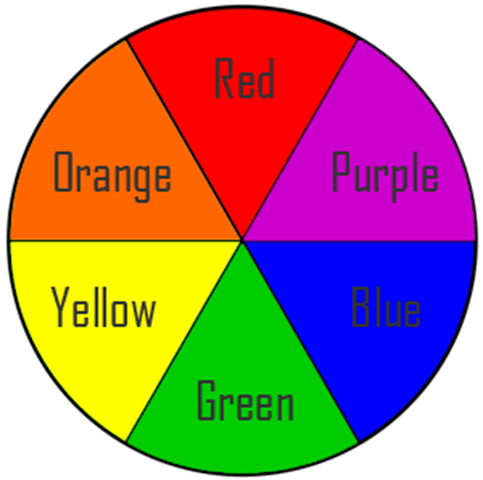
These colours can be grouped in the following ways: 1. Primary Colours Primary colours are RED, YELLOW and BLUE. These are the 3 colours that gives us other colours when mixed together. Without these three basic colours, we will have no other colours. 2. Secondary Colours Secondary colours are ORANGE, GREEN and PURPLE. These areContinue reading “Vocabulary #1: Colours”
Grammar Unit 1.7: Nouns – Collective Nouns
Collective nouns are nouns that represent a group/collection of people, animals, things, and places. Collective Nouns for People an ambush of widows a bevy of ladies a congregation of worshippers a den of robbers an equivocation of politicians a faculty of academics a gang of thieves a host of angels an illusion of painters aContinue reading “Grammar Unit 1.7: Nouns – Collective Nouns”
Grammar Unit 1.6: Nouns – Compound Nouns
What are compound nouns? Compound nouns are nouns that are made up of 2 or more existing words. Compound Elements Examples noun + noun ice-creamfootballpencil boxchocolate chip cookies noun + verb haircutbird-watchingtrain-spotting verb + noun writing padswimming poolrunning shoes noun + adverb passer-by adverb + noun onlookerbystander verb + adverb meetupdrawbackbreakdown adverb + verb overworkunderestimateinputContinue reading “Grammar Unit 1.6: Nouns – Compound Nouns”
Grammar Unit 1.5: Nouns – Concrete and Abstract Nouns
Concrete and abstract nouns are very easy to understand. Concrete Nouns Concrete nouns are nouns that you can easily perceive with your 5 natural senses: sight, hearing, taste, touch, and smell. Some examples of concrete nouns: human fish flower house computer Abstract Nouns Abstract nouns are nouns that cannot be perceived with your 5 naturalContinue reading “Grammar Unit 1.5: Nouns – Concrete and Abstract Nouns”
Grammar Unit 1.4: Nouns – Countable and Uncountable Nouns
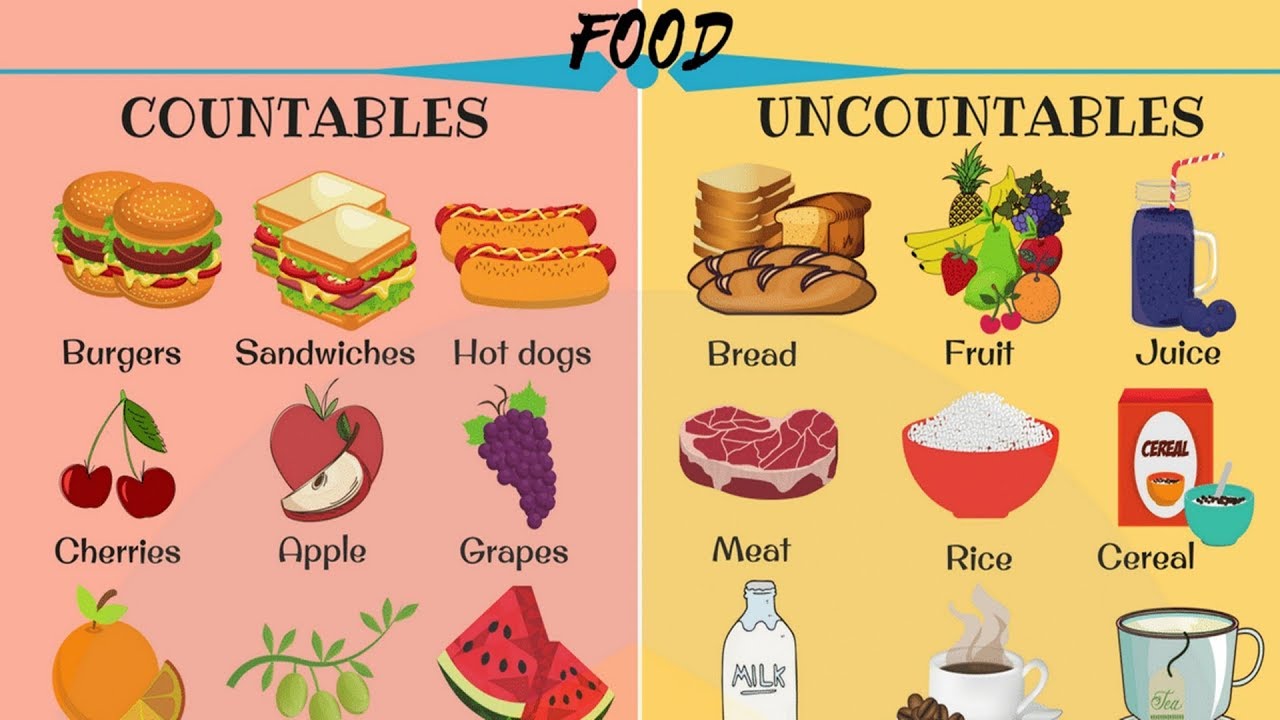
In Grammar Unit 1.3, we learnt about singular and plural nouns. This concept is important when learning about countable and uncountable nouns. Let’s first begin by understanding countable and uncountable nouns. Countable Nouns Countable nouns are nouns that can easily be counted such as apples, people, cars, dogs and trees etc. If you can countContinue reading “Grammar Unit 1.4: Nouns – Countable and Uncountable Nouns”
Grammar Unit 1.3: Nouns – Singular and Plural Nouns
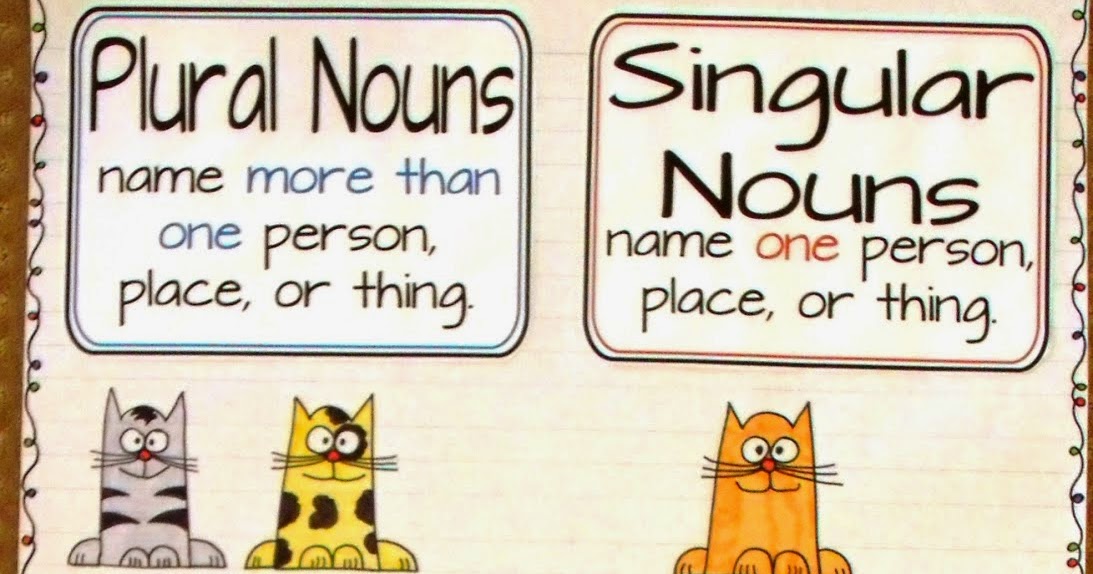
Singular Nouns Singular means “Only one of”. When we say that a noun is singular, we are implying that there is only one of it. Singular nouns are always preceded by the article “a”, “an”, or “the”. For example: a person a boy a girl a man a woman an animal a cat a dogContinue reading “Grammar Unit 1.3: Nouns – Singular and Plural Nouns”
Grammar Unit 1.2: Nouns – Gender of Nouns
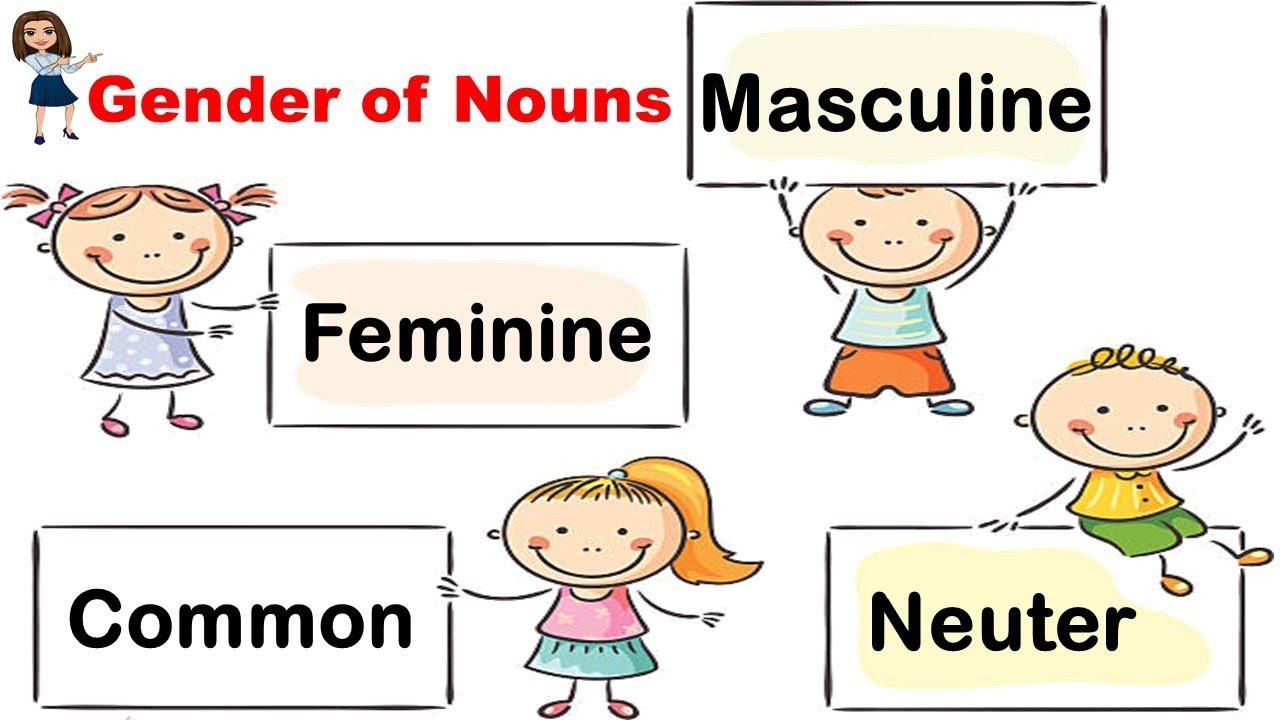
Nouns can be classified according to gender. Gender nouns have 4 classifications: Masculine nouns Feminine nouns Common gender nouns Neuter gender nouns Masculine Nouns Masculine nouns are nouns that are male by gender. For example: male man boy son father husband king emperor stallion rooster buck Mister Mr. Smith Feminine Nouns Feminine nouns are nounsContinue reading “Grammar Unit 1.2: Nouns – Gender of Nouns”
Grammar Unit 1.1: Nouns – Common Nouns and Proper Nouns
What are Nouns? Nouns are names of people, animals, things, places, or qualities. There are two ways to categorise nouns: Common nouns and Proper nouns Common Nouns Common nouns are generic names of people, animals, things, places, or qualities. These names are names of common everyday nouns. Begin with capital letters if they appear atContinue reading “Grammar Unit 1.1: Nouns – Common Nouns and Proper Nouns”
 Yellow Pig Bear