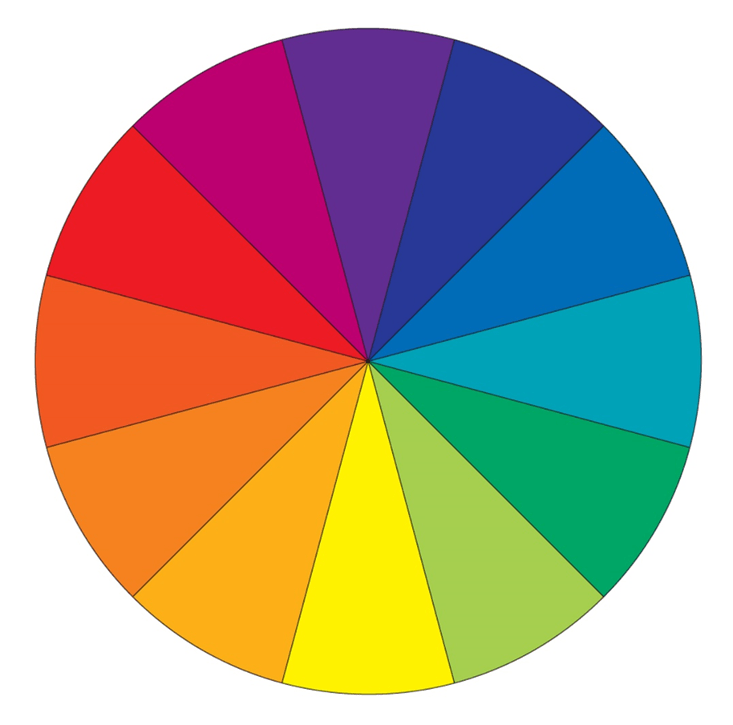
These colours can be grouped in the following ways:
- Primary colours
- Secondary colours
- Complementary colours
- Warm colours
- Cool colours
- Tertiary colours
1. Primary Colours
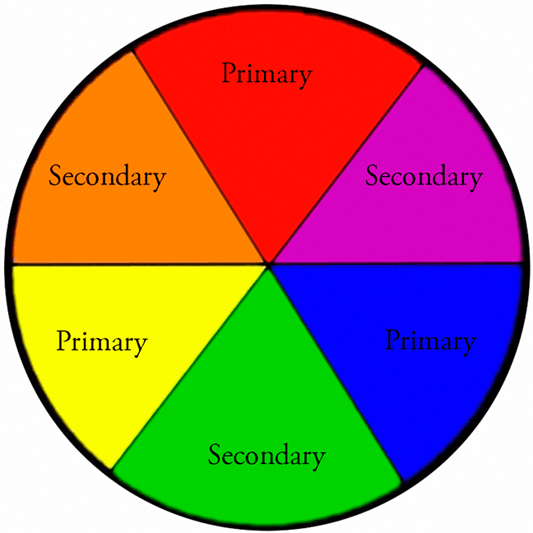
Primary colours are RED, YELLOW and BLUE. These are the 3 colours that gives us other colours when mixed together. Without these three basic colours, we will have no other colours.
2. Secondary Colours
Secondary colours are ORANGE, GREEN and PURPLE. These are the 3 colours we get when we mix the primary colours together.
3. Complementary Colours (Opposite Colours)
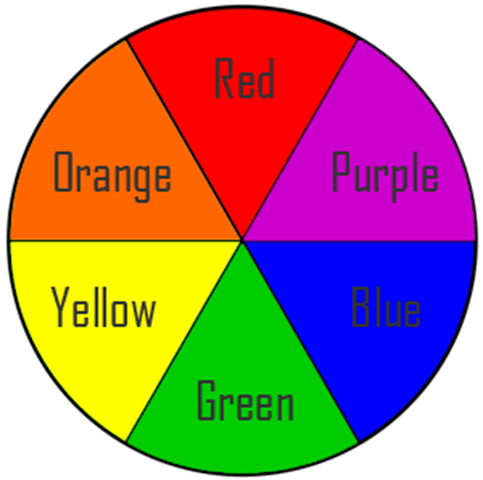
These are colours are opposite each other on the colour wheel. They are called complementary colours because their colours contrast each other and are supposed to match each other very well.
Let’s take a look at the colour wheel again.
According to the colour wheel,
RED is complementary to GREEN, as they are opposite each other on the colour wheel.
YELLOW is complementary to PURPLE, and BLUE is complementary to ORANGE.
4. Warm Colours
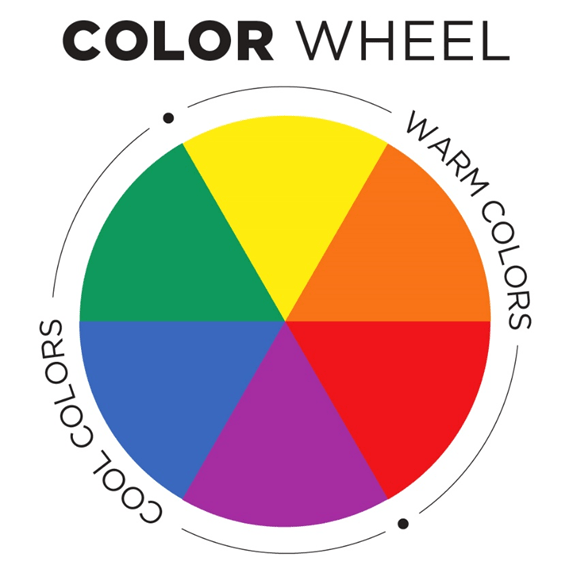
Warm colours are RED, YELLOW and ORANGE. This is because these colours are supposed to give a warm effect, like the Sun.
5. Cool Colours
Cool colours are BLUE, GREEN and PURPLE. This is because these colours are darker and are meant to give a cool effect like in the night.
6. Tertiary Colours
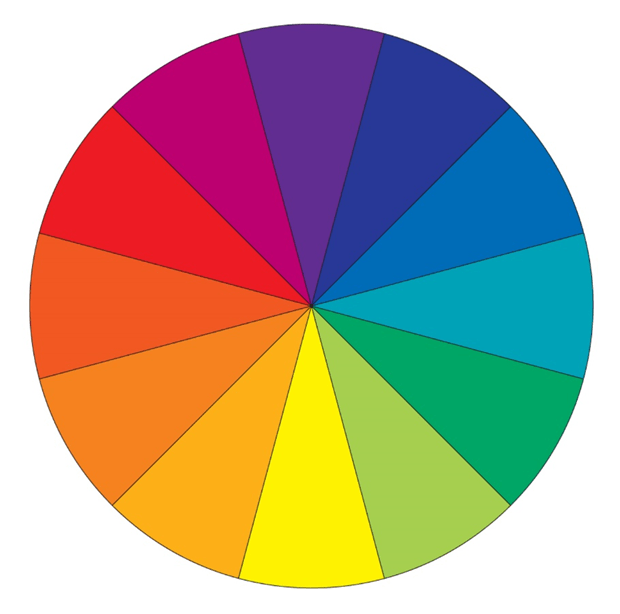
Here are some names of the 6 tertiary colours:
- Vermillion
- Amber
- Lime
- Cyan
- Violet
- Magenta
How do we get those tertiary colours? We mix 1 primary colour with 1 secondary colour.
- Vermillion = Red + Orange
- Amber = Yellow + Orange
- Chartreuse = Yellow + Green
- Cyan = Blue + Green
- Violet = Blue + Purple
- Magenta = Red + Purple
- Vermillion = Red + Orange
 Yellow Pig Bear